
Industrial pump selection is not as easy as it might first sound.
All industrial pumps have the same basic function – converting motor energy into hydraulic energy to help move different materials (such as water, chemicals, and other fluids). However, based on the fluid properties, pump specs, and the environment in which the unit will be installed, some pumps might be a better fit for your operating conditions than others.
To make things easier, we’ve compiled a list of the main factors you need to consider when choosing industrial pumps. We also go over the most common pump types and their uses, including how to select a heat pump and how to make the right cooling tower pump selection.
Let’s get started!
Main Factors of Industrial Pump Selection
Here are the main factors involved in the industrial pump selection process:
Pump Operating Environment
When choosing industrial pumps, you need to consider the layout and environment of the plant where the unit will be installed. You should be able to answer questions about the pump’s operating conditions, like:
- Will the pump be submerged?
- Will it be exposed to extreme temperatures?
- Will it operate in a hazardous environment?
- Does your industry have strict environmental regulations?
Here are some additional environmental factors you should consider:
Atmosphere
Think about whether the industrial pumps will operate in a highly humid, corrosive, or hazardous atmosphere. Based on the atmosphere characteristics, you might need to consider getting an industrial pump with a chemical duty motor (for hazardous atmospheres), tropical duty motor (for humid atmospheres) or wash down duty motor (for wash down areas.)
Temperature
Based on the expected operating temperature, you need to consider the pump motor’s maximum temperature constraints as dictated by its construction materials. It’s also important to consider the temperature of the pump’s operating environment, as extreme temperatures can cause additional wear on the system without proper precautions or maintenance.
Altitude
If you’re planning to install an industrial pump at a higher altitude, this can affect the pump flow performance due to the lower air pressure, motor fan cooling, and net positive suction head (NPSH). The lower pressure and NPSH can cause cavitation (when the fluid inside the pump is close to boiling temperature.
Power Source Availability
Consider the electrical source voltage and whether that can sustain your pump’s operation, especially if you’re considering a more powerful pump. Special motors can also be powered by DC batteries, compressed air, or pressurized hydraulic oil.
Pump Fluid Properties
It’s vital to assess all technical characteristics of the fluid that the pump will be handling on a regular basis. This includes properties like:
Viscosity
The higher the fluid’s viscosity, the more resistant it is to the flow in the pump. This is one of the leading factors that will determine the type of pump you’ll need to install. For example, low viscosity fluids (like water and oil) can be managed by a centrifugal pump, but higher viscosity fluids like paints and greases are handled better by positive-displacement pumps.
Concentration
The fluid resistance can also be affected by its concentration and particle size.
Flammability
If you’re operating highly flammable fluids, consider getting industrial pumps made of stainless steel. Avoid pumps made out of materials with lower melting points like brass.
Specific Gravity
The fluid’s specific gravity is also of vital importance for the pump performance. Water has a specific gravity of 1.0, while some chemicals and solvents might have lower or higher gravity.
Pump System Properties
Once you know all the environment and fluid specifics, you then need to determine what industrial pumps specs will best fit them. These include:
Flow Rate and Pressure
The flow rate indicates the pump capacity, or the volume of liquid pumped at a given time. The pressure can be calculated using the pipe size and friction loss. Flow rate and pressure are in direct correlation to the pump size.
Head
There are a few different types of heads:
- Suction head (when liquid supply is above the pump).
- System head (indicates the pressure needed to sustain the liquid flow through the pumping system).
- Discharge head (indicates the maximum height reached by the pipe from the discharge port).
Consider your requirements for each of these when making your industrial pump selection.
Suction Lift
This indicates that the liquid supply happens below the pump rather than above. Choose a pump configuration that is appropriate for the type of pump fluid and any space constraints you may have.
Net Positive Suction Head (NPSH)
NPSH shows the pressure at the pump’s suction port. This can be broken down into two variables: NPSH Available (the absolute pressure) and NPSH Required (the minimum pressure that prevents cavitation).
Construction Materials
Industrial pumps are commonly made from stainless steel, iron, or brass. You should choose the construction material based on the type of fluid the pump will be in contact with.
Pump Maintenance Requirements
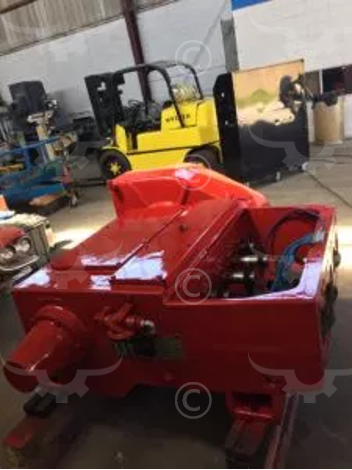
Before committing to your industrial pump selection, understand whether you will be able to take full charge of the pump’s maintenance or if you’ll need expert help. Also, consider whether you are ready to cover any repair costs or prefer to buy a new pump in case of failure or breakage.
Energy Efficiency
Ensure the industrial pumps have good energy efficiency rates to reduce energy costs.
Ease of Use
Find out how easy it is to install the Industrial pumps and operate them on a daily basis. Will your employees need special training? Will you need to do regular maintenance checks, and can you do them internally or will you need to hire a specialist?
Motor Type
Based on the motor type, there are three different pump types:
- Electric Pumps: This type of pump is driven by an electric motor.
- Autonomous Pumps: These pumps have their own combustion engine. They’re typically used in the agriculture and firefighting sectors.
- Pneumatic Pumps: These pumps operate with compressed air.
Industrial pumps are usually operated with the help of advanced software. So, when choosing a pump, ensure that the metering equipment and its software are easy to use and run smoothly since this can affect your daily workflow tremendously.
Software
Industrial pumps are usually operated with the help of advanced software. So, when choosing a pump, ensure that the metering equipment and its software are easy to use and run smoothly since this can affect your daily workflow tremendously.
Supplier Reputation
Choose a trusted industrial pump supplier for quality, durability, and support. Key factors:
- Experience
- Certified Products
- Positive reviews
- Technical support
- Customization options
- Strong warranties
- Global availability
7 Pump Types and Industrial Pump Applications
Now that you know what to look for, let’s get into where you can apply what you learned next time you have to make an industrial pump selection. Here are some of the most commonly used types of industrial pumps:
Centrifugal Pump
Centrifugal pumps can pump large volumes of low viscosity fluids at a constant flow. They offer good efficiency and are ideal for wastewater and petrochemical applications.
Types and Applications of Centrifugal Pumps
Centrifugal pumps are often designed for specific applications, making them versatile across multiple industries.
Open Impeller Centrifugal Pumps
- Wastewater Treatment: Ideal for handling fluids with high solids content, open impeller centrifugal pumps are essential in wastewater treatment plants.
- Slurry Transport: They’re also widely used in mining and dredging industries due to their ability to handle abrasive slurries effectively.
Single-Stage Centrifugal Pumps
- Water Supply: Single stage centrifugal pumps are common in municipal water supply systems for their efficiency in delivering moderate pressure and flow rates.
- Chemical Processing Systems: They are also used in chemical industries for handling low-viscosity fluids efficiently.
Axial Flow Centrifugal Pumps
- Irrigation: Suitable for large-scale agricultural irrigation systems, axial flow centrifugal pumps efficiently move large volumes of water with low head requirements.
- Flood Control: They’re also often utilized in managing water levels in rivers and drainage systems to prevent flooding.
Multi-Stage Centrifugal Pumps
- Boiler Feed Systems: Multi-stage centrifugal pumps are essential in power plants and industrial facilities for supplying high-pressure water to boilers.
- Desalination: They are also used in desalination plants where high pressure is necessary for the osmotic process; also applicable in household Reverse Osmosis (RO) systems.
Vertical Shaft Centrifugal Pumps
- Sump Pumping: Efficient in lifting fluids from lower elevations to higher discharge points, vertical shaft centrifugal pumps are commonly used in sump pumping applications.
- Wastewater Handling: Municipal and industrial wastewater treatment facilities benefit from their space-saving vertical design.
Cooling Tower Pump
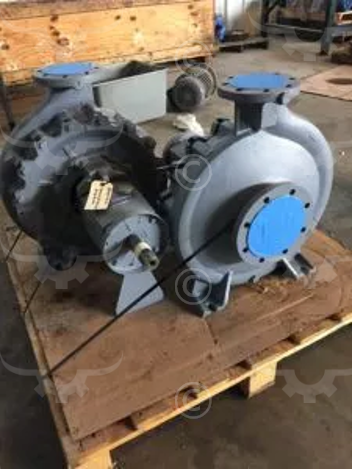
When it comes to cooling tower pump selection, you should be aware that this pump is primarily used to remove heat from air-conditioning systems. Cooling tower pumps are used when the heat from the air-conditioning cannot be repurposed in any other way. If you are opting for this pump type, make sure to check what the requirements for the cooling system are first since this can limit the size of the cooling tower pump as well.
Advantages
- Efficient for handling low-viscosity fluids at high flow rates.
- Provides a continuous, non-pulsating flow.
- Simple design with fewer moving parts, reducing maintenance needs.
- Available in various configurations to suit different industrial applications.
Disadvantages
- Unsuitable for high-viscosity or solid-laden fluids, except for open impeller types.
- Requires priming except for self-priming models.
- Susceptible to cavitation, which can affect efficiency and lifespan.
- Performance varies with changes in system conditions, requiring careful selection.
Heat Pump
Heat pumps are used to recover, increase, and repurpose heat streams from different operating systems. But how do you select a heat pump that will suit your needs? There are three main heat pump types:
- Air-Source Heat Pumps: These heat pumps have a simple design and high-efficiency levels.
- Ground-Source Heat Pumps: Ground-source pumps have lower carbon emissions than air-sourced pumps, but they have a more complex installation process.
- Water-Source Heat Pumps: The biggest benefit of these pumps is they can also use the water source as a coolant.
Diaphragm Pump
Diaphragm pumps are a good solution if you need to move dense liquids. They can also run dry and do not require lubrication. Before installing a diaphragm pump, you need to check your pneumatic network capacity. Since this pump type is pneumatically operated it is primarily used in the chemical, mining, and food industries.
Peristaltic Pump
These self-priming pumps ensure precise fluid dosage and a sterile environment, so the liquid is safe from contamination.
As such, peristaltic pumps are ideal for moving clean fluids and are used mainly in the medical and chemical industries. However, keep in mind that these pumps have a lower flow rate and require more frequent maintenance compared to other industrial pump types.
Piston Pump
Piston pumps are ideal for medium-flow and high-pressure operations that involve low viscosity fluids. However, the presence of any particles might disrupt their proper operation, so proper seal maintenance is crucial to operational efficiency and pump longevity. Such pumps are mostly used in the oil industry.
Gear Pump
This pump type is used to transport highly viscous clean liquids at high pressure. Gear pumps are compact, reliable, and offer a simple design and low-noise operation levels. They’re mainly used in the plastics processing industry.
Positive Displacement Pump
A positive displacement pump, often called a PD pump, moves fluid by trapping a fixed volume and forcing it through a system in a cyclic manner. This action is driven mechanically using pistons, screws, gears, rollers, diaphragms, or vanes, making PD pumps ideal for applications requiring consistent and precise fluid movement.
Making The Right Industrial Pump Selection for Your Needs
Choosing the right pump type can affect your industrial plant efficiency and costs. To make the right industrial pump selection for your facility, you need to be aware of all the main factors that play a crucial role in your day-to-day operations. When making your industrial pump selection, refer to this guide to help determine the right pump for your needs.
Additionally, once you’ve settled on the pump make and model and have installed the unit, you need to ensure the pump is regularly maintained to prevent any excessive wear and tear or breakage. If you need reliable industrial pump repair experts, Houston Pump & Gear is here to help. We can answer all your industrial pump repair questions. We also offer all types of pump service, including centrifugal, piston, gear, and cooling tower repair.
We also help with gearbox repair and provide services like helical gear cutting and complete gearbox overhaul. Just give us a call to get a custom quote today.