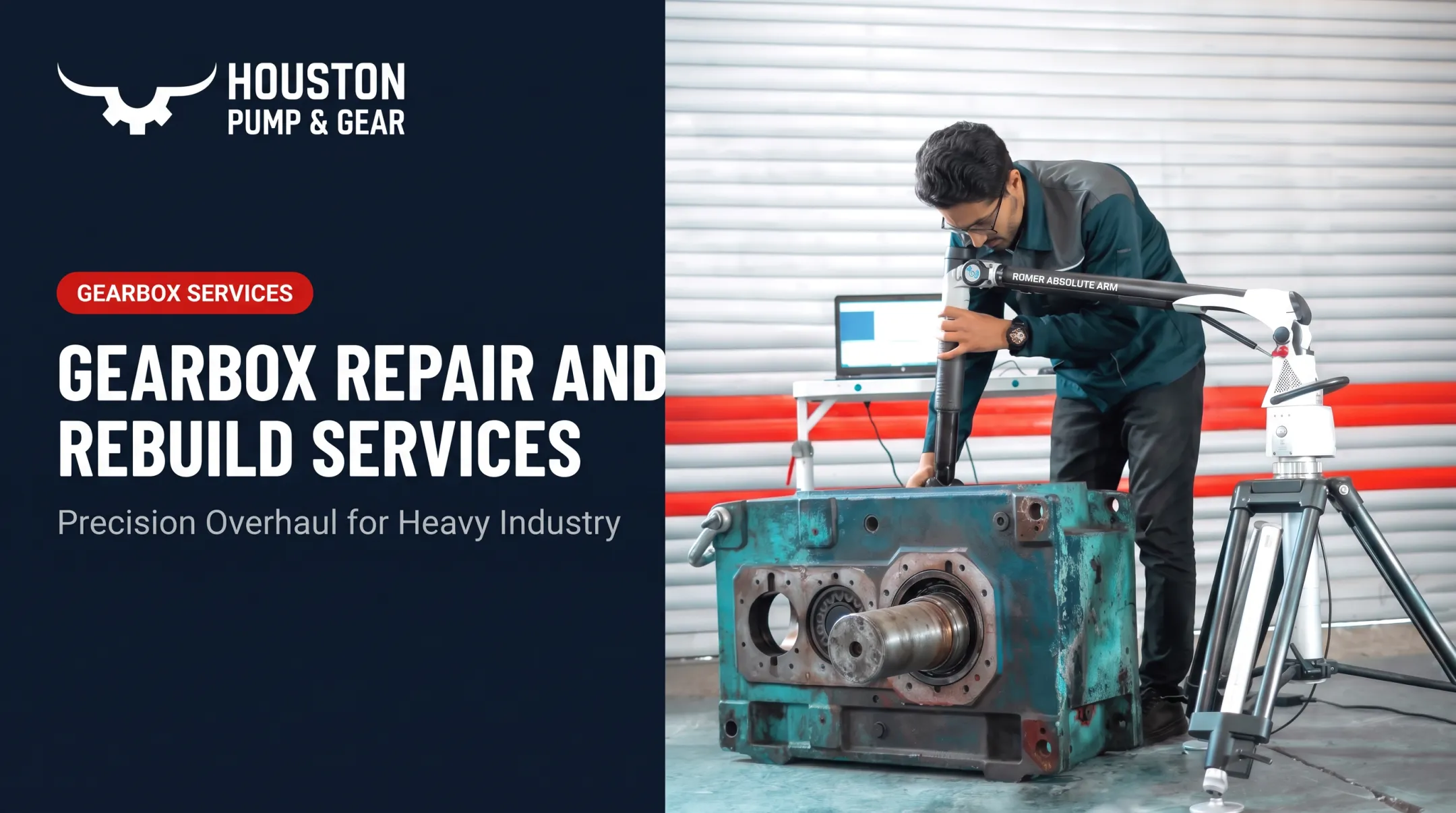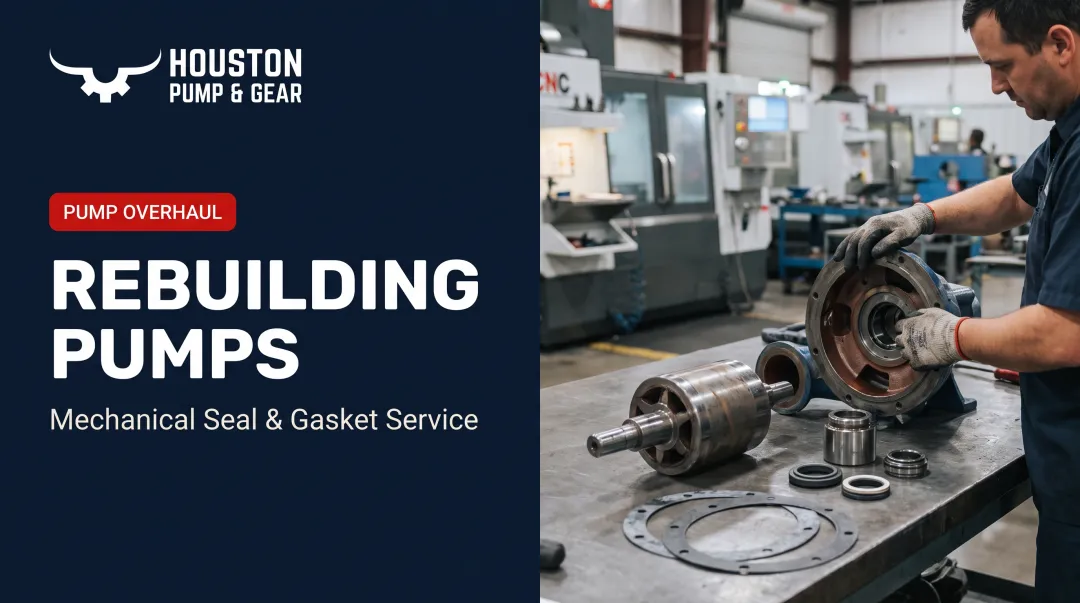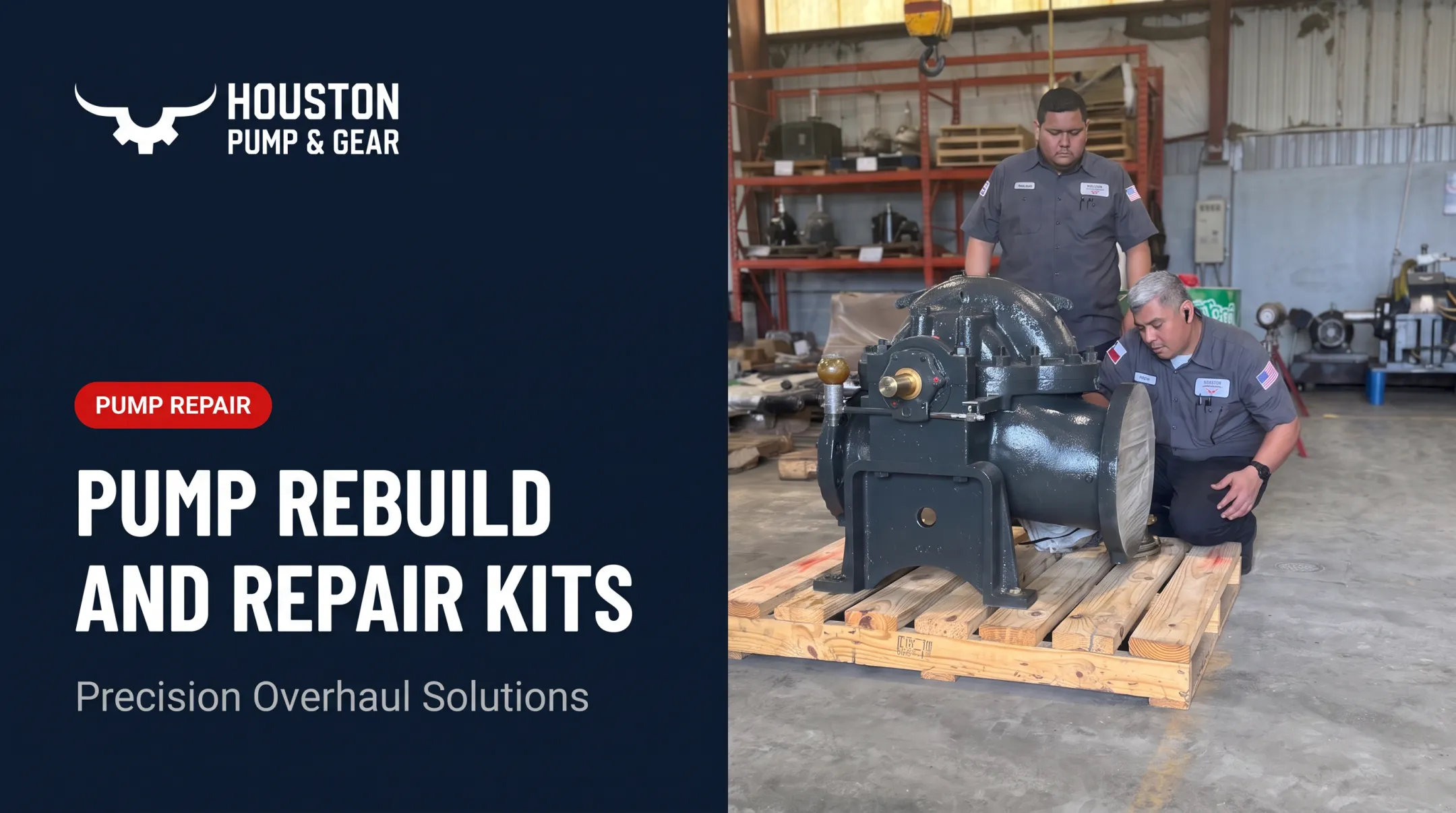

Pump testing and pressure testing exist to catch problems before they become production emergencies. They protect quality control, prevent catastrophic failure, cut long-term costs, and keep personnel safe. Facilities that lean on predictive and preventive maintenance rather than reactive fixes see 52.7% less unplanned downtime than those that wait for something to break, according to a NIST survey of manufacturing maintenance practices.
This article breaks down what pump testing actually involves, why it matters for power plants and heavy industry, and what to do when a test reveals a problem.
TL;DR
- Pump testing verifies flow, pressure, and mechanical condition before failure occurs
- Core methods cover performance, hydrostatic pressure, vibration analysis, and thermographic scans
- Skipping tests raises the risk of costly emergency shutdowns at power plants and refineries
- Protects pump investments and shortens emergency response when performance drifts
- All repairs at Houston Pump & Gear undergo quality assurance testing before returning to service
What Is Pump Testing?
Pump testing verifies flow rate, discharge pressure, and mechanical condition against manufacturer specifications. It's the process that tells you whether a pump is actually performing the way it's supposed to, not just whether it's spinning.
You'll find pump testing in four common contexts:
- Quality control on newly manufactured or rebuilt units
- Preventive maintenance on units already in service
- Commissioning of new installations
- Post-repair verification before equipment goes back online
At Houston Pump & Gear, post-repair verification is built into every overhaul: after disassembly, inspection, component repair, and reassembly, the unit is run to confirm adequate pressure and flow before it leaves the shop.
The Four Main Test Types
- Performance testing — measures flow and pressure against rated curves, following standards like ANSI/HI 14.6
- Hydrostatic testing — pressurizes components to check for leaks and structural integrity
- Vibration analysis — detects misalignment, bearing wear, or rotor imbalance using sensors and frequency analysis
- Thermographic testing — uses infrared imaging to spot overheating components before they fail

A typical post-repair check involves running the pump for a couple of hours, then measuring vibration and temperature at multiple points using a vibration meter and infrared thermometer. Those readings confirm the overhaul restored the unit to expected operating condition before it returns to service.
Why Pump Testing Is Critical for Power Plants and Heavy Industry
Routine testing exists because failures in high-demand pump and gearbox systems rarely happen without warning signs. The problem is that most of those signs are invisible without instrumentation.
Testing catches three culprits before they escalate:
- Cavitation: vapor bubbles forming and collapsing inside the pump, eroding the impeller and cutting efficiency
- Misalignment: shows up as excessive vibration and often precedes coupling or bearing failure
- Seal wear: most mechanical seal leakage happens at the seal-face interface, often from dry running or thermal distortion
According to Pumps & Systems' 2025 analysis of pump failure modes, improper lubrication alone causes 80% of bearing failures. Routine testing is how you catch lubrication and wear problems before bearings fail.
What Testing Protects
Consistent testing delivers value across five areas:
- Minimizes downtime for operations that can't afford surprise outages
- Reduces safety risk from pressure vessel or gearbox failure
- Extends equipment lifespan, protecting capital investment
- Supports compliance documentation for regulatory and insurance requirements
- Provides baseline data for diagnosing future performance issues

That last point matters more than most facilities realize. Without a baseline, a "normal" reading is just a guess.
Houston Pump & Gear's rapid-response model exists because untested equipment fails without clear warning. When a power plant client's Lufkin S2212C gearbox failed unexpectedly and forced an emergency shutdown, the team dispatched a truck the same day and had the plant back online within 72 hours.
Testing is what keeps that scenario from happening. Fast repair is the backup plan when prevention falls short.
How Pump Testing Works – Step by Step
Testing breaks into six practical stages. The most common mistakes are skipping baseline comparisons and rushing pressure readings under time pressure.
Step 1 – Define Test Objective and Standard
Determine whether this is acceptance testing, routine inspection, testing, and maintenance (ITM), or post-repair verification. Each has a different tolerance grade and applicable standard, such as ANSI/HI 14.6 for hydraulic performance acceptance.
Step 2 – Prepare Equipment and Safety Setup
Calibrate gauges, transducers, and flow meters. Uncalibrated equipment is one of the most common and costly mistakes in this process. It invalidates the entire test. Secure hoses and test headers, then brief personnel on safety procedures.
Step 3 – Run Flow and Pressure Tests
Test the pump at three conditions:
- No-flow (churn) — pump running with the discharge valve closed
- Rated flow — normal operating conditions
- Peak flow/pressure — maximum demand conditions
Record suction pressure, discharge pressure, and flow rate simultaneously at each stage.
Step 4 – Conduct Hydrostatic and Mechanical Checks
Pressurize system components to check for leaks, following the applicable code and manufacturer specification for pressure and duration. Run vibration and thermographic scans where applicable.
Step 5 – Interpret and Compare Results
Plot results against manufacturer performance curves or previous test data. Flag deviations that exceed the tolerance for the applicable acceptance grade.
Step 6 – Document and Act on Findings
Generate a written report with recommendations. Schedule any needed repairs, and file the results as the new baseline for future comparisons.

Pump Testing – Example Case Walkthrough
Here's how this plays out in practice at a facility running a routine annual pump and gearbox test.
- Scheduling and prep. The facility schedules the test and pulls last year's baseline curve for comparison.
- Calibration and setup. Technicians calibrate gauges and configure the hose and flow-meter setup. The common mistake here: using equipment that hasn't been recalibrated recently, which skews every reading that follows.
- Running the test. The pump runs through churn, rated, and peak flow conditions while readings are logged at each stage.
- The finding. Discharge pressure at peak flow comes in below 95% of the nameplate rating — a clear signal of a developing issue, whether that's impeller wear, internal leakage, or a mechanical problem upstream.
- The action. Rather than waiting for a failure, the facility schedules an inspection and repair. The unplanned shutdown never happens.
This is the entire point of testing: catching the 5% deviation while it's still a maintenance item, not a production crisis.

How Houston Pump & Gear Can Help
When testing reveals a gearbox or pump performance issue, the next call matters. Houston Pump & Gear works as a repair partner for power plants and heavy industry facilities across Texas and Louisiana.
What sets the shop apart:
- 24/7 emergency response, with dedicated transport for equipment pickup
- Deep experience with complex industrial gearboxes, including models like the Lufkin S2212C
- Demonstrated rapid turnaround — a documented 72-hour emergency repair that restored a power plant from full shutdown
- Long-term service relationships built on consistent quality; one client has had over 15 units serviced throughout the partnership
- Direct client coordination, with Project Manager Vince Parker serving as the primary point of contact for both emergency and scheduled work
Every repair leaving the shop goes through quality assurance testing before it's returned to service. Whether it's a mechanical seal replacement completed in an afternoon or a full gearbox rebuild, the standard is the same: verified performance before the unit goes back online.

Conclusion
Consistent pump testing translates directly into fewer failures, safer operations, and lower costs over time. But testing only works if the results get reviewed and compared against a real baseline — a single good reading doesn't mean much without history behind it.
When a test does turn up a problem, the difference between a scheduled repair and an emergency shutdown often comes down to how fast you can get a qualified team on-site. Houston Pump & Gear provides that response with 24/7 emergency pump repair and same-day pickup, so a failed test becomes a planned fix instead of an unplanned outage.
Frequently Asked Questions
How do you conduct pump testing?
Calibrate your instruments, then run the pump at no-flow, rated, and peak conditions while recording pressure and flow. Compare those readings to manufacturer specs or a prior baseline and flag any deviations for follow-up.
How often should pump testing be performed?
Annual testing is standard for most industrial pumps, though critical or heavily used units often warrant more frequent checks. Frequency should ultimately reflect manufacturer recommendations, operating conditions, and site risk.
What is the NFPA standard for pump testing?
NFPA 25 governs recurring inspection, testing, and maintenance for fire pumps, requiring weekly or monthly no-flow tests and an annual flow test. NFPA 20 covers installation standards for stationary fire pumps rather than ongoing testing frequency.
What's the difference between performance testing and hydrostatic testing?
Performance testing verifies flow and pressure against rated curves to confirm the pump is operating efficiently. Hydrostatic testing pressurizes components specifically to check for leaks and structural integrity, not operating efficiency.
What are common signs a pump needs testing or repair?
Watch for reduced flow output, unusual noise or vibration, and rising power consumption for the same workload. Any of these can signal cavitation, misalignment, or seal wear before a full failure occurs.